
Headspace offers science-backed meditation, sleep content and mindfulness exercises for stress reduction and improved wellbeing.
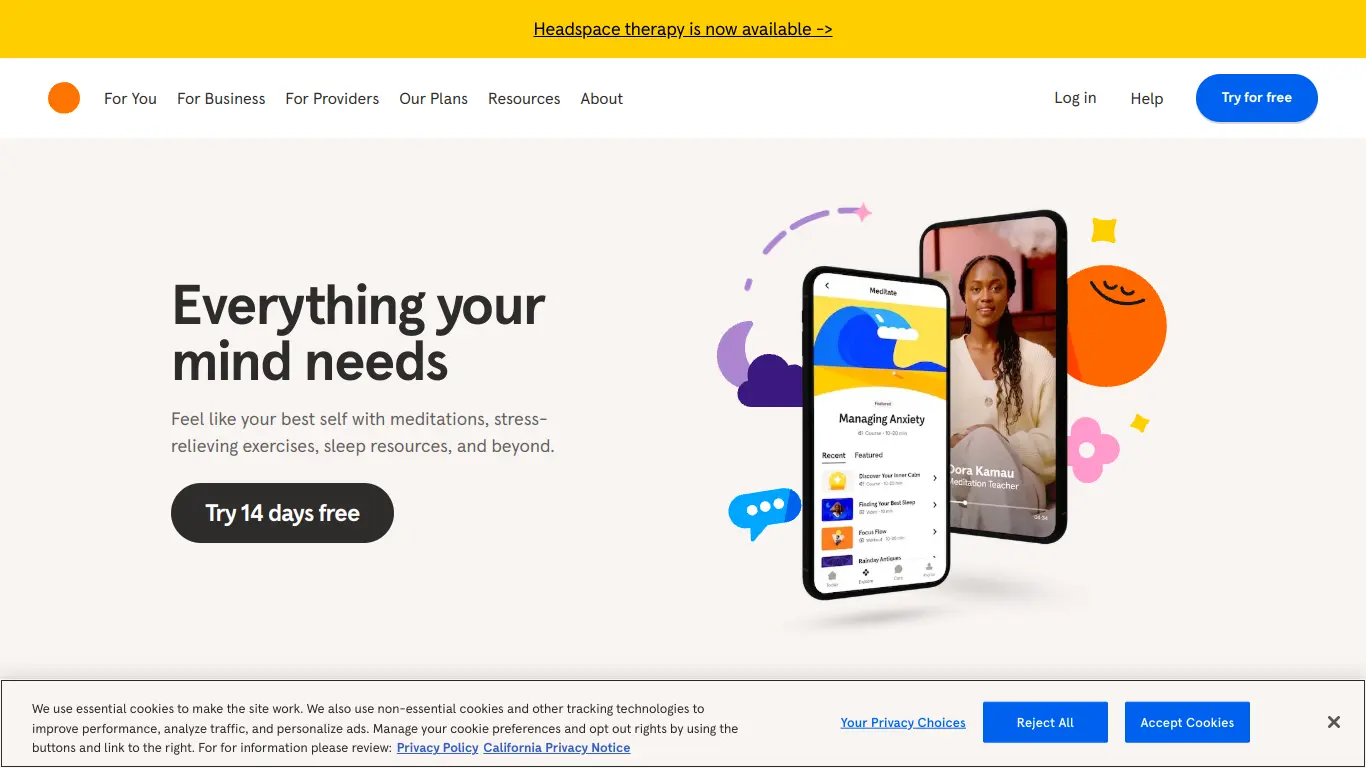
In today’s fast-paced, always-connected world, finding peace of mind feels increasingly like searching for a needle in a digital haystack. Anxiety levels are skyrocketing, sleep quality is plummeting, and our collective mental health seems perpetually on edge. If you’ve found yourself tossing and turning at night, battling stress during the day, or simply longing for a moment of calm in the chaos, you’re certainly not alone. These universal struggles have left millions searching for accessible mental wellness solutions that actually work – which is precisely where Headspace enters the picture.
Introduction to Headspace
What is Headspace and its Purpose?
Headspace is a leading meditation and mindfulness app designed to improve mental health and overall wellbeing through guided practices, sleep content, and movement exercises. Founded in 2010, Headspace takes the ancient practice of meditation and presents it in a modern, accessible format that resonates with today’s digital-first world.
Unlike traditional meditation instruction that can feel intimidating or inaccessible, Headspace demystifies mindfulness through colorful animations, straightforward language, and a science-backed approach. The app’s core purpose is simple yet profound: to improve the health and happiness of the world through mindfulness and meditation.
Headspace offers hundreds of guided meditations covering everything from stress management and anxiety reduction to better sleep and improved focus. The platform delivers these mental wellness tools through a combination of daily meditations, themed courses, single sessions for specific moments, and even mindful fitness workouts.
Who is Headspace Designed For?
One of Headspace’s greatest strengths is its universal appeal. The platform is intentionally designed to serve:
- Meditation beginners who need clear, simple guidance to start a practice
- Busy professionals seeking stress relief and improved focus
- Insomniacs and poor sleepers looking for natural sleep solutions
- Mental health-conscious individuals wanting to proactively maintain wellbeing
- Students dealing with academic pressure and anxiety
- Athletes incorporating mindfulness into performance training
- Companies providing wellness benefits to employees
Whether you’re a CEO managing workplace stress, a student preparing for exams, a parent navigating family life, or simply someone curious about meditation’s benefits, Headspace offers content tailored to your specific needs and experience level.
The app’s approach eliminates barriers to entry by starting with fundamental basics before progressively introducing more advanced concepts – making meditation approachable for anyone regardless of prior experience.
Getting Started with Headspace: How to Use It
Getting started with Headspace is refreshingly straightforward:
- Download the app: Available on iOS and Android devices through their respective app stores
- Create an account: Sign up with an email address or continue with Apple/Google
- Take the introductory tour: Learn how the app works and set your personal goals
- Begin with Basics: Complete the free 10-day introductory course that teaches fundamental meditation techniques
- Explore specific content: Browse courses organized by goals like stress reduction, better sleep, or increased focus
- Establish a routine: Set meditation reminders and track your progress with the built-in statistics
The user journey typically starts with the “Basics” course – a series of 10 short guided meditations that introduce core mindfulness concepts. This foundation prepares users to explore the app’s extensive library of more specialized content.
For those completely new to meditation, Headspace’s animated tutorials explain key concepts visually before each practice, making the learning curve gentle and accessible. The app’s interface guides users through selecting suitable content based on their current needs and experience level.
Headspace’s Key Features and Benefits
Core Functionalities of Headspace
Headspace offers a comprehensive suite of mental wellness tools organized into several key categories:
1. Meditation Library
- Hundreds of guided meditations ranging from 1-minute to 60-minute sessions
- Structured courses on topics like stress, anxiety, productivity, and relationships
- SOS exercises for moments of acute anxiety or emotional distress
- Unguided timed meditation sessions with interval bells
2. Sleep Content
- Sleepcasts: 45-50 minute narrative journeys designed to quiet busy minds
- Sleep music and soundscapes for creating restful environments
- Wind-down exercises to transition from day to night
- Bedtime guided meditations specifically for pre-sleep relaxation
3. Move Mode
- Mindful fitness workouts combining physical training with mindfulness
- Rest day meditations for active recovery
- Pre and post-workout mindfulness exercises
- Mind-body connection training
4. Focus Content
- Work-specific meditation content for productivity and stress management
- Focus music designed to enhance concentration
- Mindful breaks for workday refreshment
- Meditations for creativity and problem-solving
5. Daily Headspace
- Fresh daily meditation content delivered each morning
- Themed mini-meditations focusing on different aspects of mindfulness
- Bite-sized wisdom and practice for consistency
The platform delivers these features through clear audio guidance, predominantly led by Headspace co-founder and former Buddhist monk Andy Puddicombe, whose distinctive voice has become synonymous with the brand’s approach to meditation instruction.
Advantages of Using Headspace
Research and user experience point to numerous benefits from regular Headspace use:
Scientifically Validated Results
- 14% reduction in stress after just 10 days of using Headspace¹
- 31% decrease in anxiety symptoms with regular use²
- 30% improvement in focus and attention capacity³
- Significant improvements in sleep quality and reduction in insomnia⁴
Practical Advantages
- Accessibility: meditation guidance in your pocket, available 24/7
- Flexibility: practices ranging from 1 minute to 1 hour to fit any schedule
- Progression: structured paths from beginner to advanced techniques
- Personalization: content tailored to specific needs and goals
- Accountability: tracking and stats to maintain consistency
User Experience Benefits
- Clean, intuitive interface with delightful animations
- Gentle, non-judgmental guidance that welcomes beginners
- No religious/spiritual jargon while maintaining technique integrity
- Evidence-based approach grounded in scientific research
- Varied voice guidance to prevent monotony
The app’s approach emphasizes transforming meditation from an occasional activity into a sustainable daily habit, with features like streaks and gentle reminders designed to support consistent practice.
Main Use Cases and Applications
Headspace serves diverse needs across various life contexts:
🧠 Mental Health Support
- Anxiety management through specialized anxiety courses
- Stress reduction with targeted stress-relief meditations
- Mood improvement via gratitude and happiness-focused content
- Emotional regulation through mindfulness of feelings
😴 Sleep Enhancement
- Falling asleep faster with bedtime wind-downs
- Staying asleep longer with specialized sleep content
- Managing insomnia through dedicated programs
- Establishing healthier sleep routines
💼 Workplace Wellbeing
- Headspace for Work corporate wellness programs
- Focus sessions for productivity enhancement
- Stress management specifically for work contexts
- Meditations for creativity and problem-solving
🏃♀️ Physical Wellness Integration
- Pre-workout mindfulness for improved performance
- Post-workout recovery support
- Mindful eating practices
- Pain management techniques
🧘♂️ Personal Development
- Self-awareness cultivation through body scanning
- Emotional intelligence development
- Relationship improvement through compassion practices
- Habit formation and behavior change support
The versatility of Headspace makes it relevant across the full spectrum of daily life – from waking moments needing focus to bedtime relaxation, and everything in between.
Exploring Headspace’s Platform and Interface
User Interface and User Experience
Headspace has earned widespread praise for its exceptional interface design and user experience. The app features:
Visual Design Elements
- Distinctive, playful animations that explain complex concepts simply
- Clean, minimal interface with intuitive navigation
- Soothing color palette dominated by blues and whites
- Consistent, recognizable illustration style
- Progress visualizations that motivate continued use
Content Organization
- Home screen featuring recommended daily content
- Discover section organized by need state (sleep, stress, focus, etc.)
- Clear course progression paths marked by completion indicators
- Favorites section for quick access to preferred content
- Search functionality with helpful filters
User Flow Optimizations
- Onboarding that quickly identifies user needs and experience level
- “Quick start” options for immediate meditation access
- Logical content categorization for intuitive navigation
- Minimal clicks required to begin a meditation session
- Seamless transitions between different content types
Headspace’s interface design philosophy emphasizes removing friction from the meditation process. The experience feels cohesive and guided, with thoughtful touches like customizable reminder notifications and session length options that accommodate different schedules and preferences.
Platform Accessibility
Headspace prioritizes broad accessibility across multiple dimensions:
Device Availability
- iOS app (iPhone, iPad)
- Android app (phones and tablets)
- Web browser version at headspace.com
- Integration with Apple Watch
- Voice assistant compatibility (Amazon Alexa, Google Assistant)
Accessibility Features
- Screen reader support for visually impaired users
- Adjustable text sizing for improved readability
- Closed captioning on video content
- Offline mode for meditation access without internet connection
- Dark mode option to reduce eye strain
Language Support
- Primary content in English
- Selected content available in French, German, Spanish and Portuguese
- Expanding international language options
- Cultural adaptations for regional markets
Technical Requirements
- Minimal device specifications needed to run the app
- Low data usage options for limited connectivity areas
- Small download size relative to app functionality
- Battery optimization for extended listening sessions
This multi-platform approach ensures that users can access their meditation practice consistently regardless of circumstances – whether at home with high-speed internet or traveling with limited connectivity.
Headspace Pricing and Plans
Subscription Options
Headspace operates on a freemium model with several subscription tiers:
Headspace Free
- Limited selection of basic meditations
- The complete 10-day Basics course
- Selection of single meditations and sleepcasts
- Several daily Headspace sessions
- Sleep music and movement content samples
Headspace Plus (Individual)
- $12.99/month with month-to-month billing
- $69.99/year with annual billing (equivalent to $5.83/month)
- 14-day free trial for new subscribers
- Full access to all content and features
- Unlimited access to the complete meditation library
- All sleep content including the full sleepcasts collection
- Complete Move Mode fitness content
- Focus music and productivity features
Headspace Family Plan
- $99.99/year for up to 6 family members
- Individual accounts for each family member
- Complete access to all Headspace Plus features
- Family billing management
- Private meditation experiences for each user
Headspace Student Plan
- $9.99/year for eligible college/university students
- Requires verification of student status
- Complete access to all Headspace Plus features
- Represents 85% discount from standard annual plan
Headspace For Work
- Corporate pricing based on organization size
- Volume discounts for larger employee bases
- Company dashboard for program management
- Usage analytics for wellness program tracking
- Dedicated customer success management
Headspace occasionally offers promotional discounts, particularly around mental health awareness events and holiday seasons. They also maintain partnership discounts with certain health insurers, employers, and membership organizations.
Free vs. Paid Features
Understanding what’s available at each subscription level helps determine the right choice:
| Feature Category | Free Access | Paid Subscription |
|---|---|---|
| Meditation Basics | Full 10-day course | Complete basics library with multiple levels |
| Themed Meditations | Limited selection (5-10 sessions) | 500+ specialized meditations |
| Courses | Basic stress course only | 40+ structured courses |
| Sleep Content | 3-5 sleepcasts | 50+ sleepcasts with regular additions |
| Sleep Sounds | Basic white noise | Complete library of soundscapes and sleep music |
| Move Mode | Sample workouts only | Full fitness library with 25+ programs |
| Focus Content | Limited timer function | Complete focus music and meditation library |
| Kids Content | Not available | Complete family-friendly content |
| Downloadable Content | Limited | Unlimited offline downloads |
| Daily Content | Single option daily | Multiple daily content options |
| SOS Sessions | Basic anxiety SOS only | Complete crisis meditation library |
The free tier serves primarily as an introduction to meditation and the Headspace approach, while the paid subscription provides the comprehensive toolkit needed for ongoing practice development and specific goal achievement.
Headspace Reviews and User Feedback
Pros and Cons of Headspace
Based on extensive user feedback and expert reviews, here’s a balanced assessment of Headspace’s strengths and limitations:
Pros:
- ✅ Exceptional production quality with professional narration and audio
- ✅ Scientifically validated approach with research partnerships
- ✅ Outstanding beginner-friendly introduction to meditation
- ✅ Comprehensive sleep content library consistently praised by users
- ✅ Regular content updates keeping the experience fresh
- ✅ Simple, beautiful interface requiring minimal learning curve
- ✅ Structured progression from basics to advanced techniques
- ✅ Content specifically designed for different life stages and needs
- ✅ Strong focus on habit formation and consistency
Cons:
- ❌ Higher price point compared to some competitors
- ❌ Limited free tier functionality
- ❌ Some advanced meditators find content too basic
- ❌ Less variety in teaching voices compared to competitors
- ❌ Limited customization options for guided sessions
- ❌ Occasionally repetitive instruction in longer-term use
- ❌ Some users report technical issues with download functionality
- ❌ Annual commitment required for best pricing
- ❌ Content updates sometimes remove favorite sessions
The consensus among reviewers is that Headspace excels particularly for meditation beginners and those seeking sleep support, with its structured approach and exceptional design making it especially valuable for establishing a consistent practice.
User Testimonials and Opinions
Real users report significant life impacts from regular Headspace usage:
“After struggling with anxiety for years, Headspace has been transformative. The anxiety-specific courses gave me practical tools I use daily. My panic attacks have decreased from weekly to maybe once every few months.”
– Sarah T., Headspace user for 3 years
“As someone who was deeply skeptical about meditation, Headspace’s science-based approach convinced me to try it. Six months in, my sleep quality has improved dramatically, and I’m handling work stress much more effectively.”
– Michael R., Headspace user for 6 months
“The sleepcasts have been a game-changer for my insomnia. After trying medication and other apps, Headspace’s sleep content is the only thing that consistently helps me fall asleep within 20 minutes instead of hours.”
– Jennifer L., Headspace user for 2 years
“I appreciate how Headspace grows with you. I started with the basics, but two years later, I’m still discovering new techniques and approaches through their advanced content.”
– David K., Headspace user for 2 years
“The only drawback is the price, but when I calculated what I was spending on coffee to stay alert after poor sleep, Headspace actually saves me money by helping me sleep better.”
– Amir H., Headspace user for 1 year
Professional reviews consistently award Headspace between 4 and 4.5 stars out of 5, with particular praise for its user interface and beginner-friendly approach. The app maintains an impressive 4.9/5 rating on the iOS App Store from over 800,000 reviews, and 4.5/5 on Google Play from over 250,000 reviews.
Headspace Company and Background Information
About the Company Behind Headspace
Headspace was founded in 2010 by Andy Puddicombe and Richard Pierson. Puddicombe brings a unique background as a former Buddhist monk who spent over 10 years studying meditation in monasteries around Asia. Before his monastic training, he studied Sports Science and subsequently combined these disciplines to create Headspace’s distinctive approach to meditation.
Co-founder Richard Pierson came from an advertising background, bringing marketing expertise and business acumen to complement Puddicombe’s meditation knowledge. Their partnership blended ancient mindfulness traditions with modern design and technology to create what has become one of the world’s leading meditation platforms.
Company Growth Timeline:
- 2010: Founded as an events company in London
- 2012: Launched the first version of the Headspace app
- 2014: Relocated headquarters to Los Angeles, California
- 2015: Raised $30 million in Series A funding
- 2017: Secured $36.7 million in Series B funding
- 2018: Launched Headspace Health initiative
- 2020: Expanded with Headspace for Work during pandemic
- 2021: Merged with Ginger to form Headspace Health
- 2022: Continued expansion of clinical mental health offerings
The company now employs over 500 people across offices in Los Angeles, San Francisco, London, and elsewhere. Headspace reports having more than 70 million downloads across 190+ countries, with substantial growth accelerated during the global pandemic as mental health awareness increased.
Headspace maintains a strong commitment to scientific validation, with over 25 published studies examining the app’s effectiveness for various conditions. The company partners with major research institutions including Stanford University and University of Southern California to continue gathering evidence on digital meditation’s impacts.
Headspace Alternatives and Competitors
Top Headspace Alternatives in the Market
Several strong competitors offer alternative approaches to digital meditation and mindfulness:
1. Calm
- Primary direct competitor with similar scope
- Focus on nature sounds and sleep stories
- Celebrity narrators including Matthew McConaughey and LeBron James
- Strong emphasis on music and soundscapes
- Website: calm.com
2. Insight Timer
- Largest free library of meditation content
- Community-based with thousands of teachers
- Less structured approach than Headspace
- Optional premium subscription tier
- Website: insighttimer.com
3. Ten Percent Happier
- Founded by meditation skeptic Dan Harris
- More intellectual, interview-based approach
- Strong focus on practical, secular benefits
- Appeals to “fidgety skeptics”
- Website: tenpercent.com
4. Waking Up by Sam Harris
- Philosophical, science-focused approach
- Emphasis on consciousness exploration
- In-depth theoretical content alongside practical meditation
- Appeals to intellectually-oriented meditators
- Website: wakingup.com
5. Balance
- Personalized meditation plans based on goals
- Adaptive content that changes based on feedback
- Primarily focused on daily practice
- Full year free trial (as of this writing)
- Website: balanceapp.com
6. Buddhify
- Context-based meditations for different activities
- One-time purchase rather than subscription
- Meditations organized by daily activities and locations
- Less comprehensive but more affordable
- Website: buddhify.com
These alternatives represent different approaches to meditation guidance, from community-based platforms to more individualized experiences, with varying price points and content emphases.
Headspace vs. Competitors: A Comparative Analysis
When compared directly with its main competitors, several key differentiators emerge:
| Feature | Headspace | Calm | Insight Timer | Ten Percent Happier |
|---|---|---|---|---|
| Monthly Price | $12.99 | $14.99 | $9.99 | $13.99 |
| Annual Price | $69.99 | $69.99 | $59.99 | $99.99 |
| Free Offering | Limited courses | Limited sessions | Extensive free library | Limited samples |
| UI/UX Quality | Exceptional | Very good | Good | Very good |
| Sleep Content | Extensive | Industry-leading | Limited | Moderate |
| Beginner-Friendliness | Excellent | Good | Moderate | Very good |
| Content Approach | Structured courses | Individual sessions | Community variety | Interview + meditation |
| Scientific Backing | Strong research | Some research | Limited | Moderate |
| Celebrity Integration | Minimal | Extensive | None | Some experts |
| Content Quantity | 500+ meditations | 700+ meditations | 100,000+ meditations | 500+ meditations |
Key Competitive Advantages of Headspace:
- Most structured, course-based approach to developing a practice
- Strongest emphasis on animation and visual learning
- Most cohesive, progressive learning experience
- Distinctive voice guidance primarily from Andy Puddicombe
- Strongest focus on scientific validation
- Best-in-class onboarding for complete beginners
Areas Where Competitors Excel:
- Calm offers more celebrity content and sleep stories
- Insight Timer provides greater teacher diversity and community
- Ten Percent Happier features more educational interviews
- Waking Up offers deeper philosophical exploration
- Balance provides more adaptive, personalized content
- Buddhify focuses on situation-specific meditation guidance
The right choice depends largely on individual preferences, with Headspace generally recommended for those seeking structured guidance and beginners wanting clear instruction in fundamental techniques.
Headspace Website Traffic and Analytics
Website Visit Over Time
According to public analytics data, Headspace’s web traffic has shown significant growth patterns:
Monthly Website Visits (Estimated)
- 2020 average: 3.5 million monthly visits
- 2021 average: 4.8 million monthly visits
- 2022 average: 5.2 million monthly visits
- 2023 YTD: 5.5+ million monthly visits
This represents approximately 57% growth over three years, with notable seasonal patterns showing increased traffic during January (New Year’s resolutions) and periods of heightened global stress. The website traffic represents only a portion of user interaction, as most engagement occurs within the mobile apps rather than the website.
Geographical Distribution of Users
Headspace maintains a global user base with particular concentration in:
Top Countries by User Base:
- 🇺🇸 United States (42%)
- 🇬🇧 United Kingdom (15%)
- 🇨🇦 Canada (8%)
- 🇦🇺 Australia (7%)
- 🇩🇪 Germany (4%)
- 🇫🇷 France (3%)
- 🇮🇳 India (3%)
- Other countries (18%)
The app’s strongest penetration is in English-speaking markets, though its expansion into multiple languages has accelerated growth in non-English regions. The company has reported particular focus on growth in Asian markets where traditional meditation has deep cultural roots but modern adaptations are gaining popularity.
Main Traffic Sources
Understanding how users discover Headspace reveals its marketing effectiveness:
Primary Traffic Channels:
- Organic Search: 52% (primarily meditation and mental health terms)
- Direct Traffic: 23% (brand recognition and repeat visitors)
- Referral Traffic: 11% (partnerships and media mentions)
- Social Media: 9% (Instagram and YouTube being strongest)
- Paid Search: 5% (targeted campaigns for specific terms)
The high proportion of organic search traffic indicates strong brand recognition and effective SEO strategies. Headspace invests significantly in content marketing through its blog and YouTube channel, which serves both as educational resources and customer acquisition channels.
Frequently Asked Questions about Headspace (FAQs)
General Questions about Headspace
What is Headspace and how does it work?
Headspace is a meditation and mindfulness app that offers guided sessions through audio content. It works by providing structured courses and individual sessions that teach meditation techniques through guided instruction, helping users develop consistent mental wellness practices.
Is Headspace effective for beginners?
Yes, Headspace is specifically designed to be accessible for beginners. The app starts with fundamentals through the “Basics” course, which introduces meditation concepts gradually without assuming prior knowledge or experience.
How much time do I need to use Headspace effectively?
Headspace offers sessions ranging from 1 minute to 60 minutes, with most foundational practices being 10 minutes long. Research suggests benefits begin with just 10 minutes daily, though consistency matters more than session length.
Does Headspace have religious content?
No, Headspace presents meditation in a secular, science-based format. While founder Andy Puddicombe has a background in Buddhist monasticism, the app’s content is intentionally non-religious and accessible to people of all beliefs or none.
Feature Specific Questions
What types of meditation does Headspace offer?
Headspace offers multiple meditation approaches including mindfulness, visualization, body scanning, loving-kindness, focused attention, and noting techniques. These are presented through themed courses targeting specific goals like stress reduction or improved sleep.
How does Headspace help with sleep problems?
Headspace addresses sleep issues through specialized content including Sleepcasts (audio stories), sleep music, wind-down exercises, and bedtime meditations. These tools help calm the mind, create separation from daytime thoughts, and create optimal conditions for falling asleep.
Can Headspace help with anxiety and stress?
Yes, Headspace offers dedicated content for anxiety and stress management. Research on Headspace users shows reduced stress levels (by 14% after 10 days) and reduced anxiety symptoms (by 31% with regular use). Specialized “SOS” sessions provide immediate support during acute anxiety moments.
Is there content for children on Headspace?
Yes, Headspace offers meditation content specifically designed for children, organized by age groups (under 5, 6-8, and 9-12). These sessions use age-appropriate language and concepts to introduce mindfulness to younger users.
Pricing and Subscription FAQs
How much does Headspace cost?
Headspace offers a free basic version with limited content. The full version (Headspace Plus) costs $12.99 monthly or $69.99 annually ($5.83/month). A family plan covering 6 people costs $99.99 annually, and students can access a discounted rate of $9.99 annually.
Is there a free trial for Headspace Plus?
Yes, Headspace offers a 14-day free trial for new subscribers, allowing full access to all premium features before committing to a subscription.
How do I cancel my Headspace subscription?
Subscription management varies by how you signed up. For direct subscriptions, you can cancel through your account settings on the Headspace website. For app store subscriptions, you need to cancel through your Apple or Google Play account settings. Cancellations take effect at the end of your current billing period.
Does Headspace offer refunds?
Headspace’s refund policy varies by region due to consumer protection laws. In most cases, they evaluate refund requests on a case-by-case basis, particularly for annual subscriptions. Contact customer support directly for refund consideration.
Support and Help FAQs
How can I contact Headspace customer support?
Headspace offers support through email at help@headspace.com, an in-app help center, and their website support section. They typically respond within 1-2 business days.
Can I use Headspace offline?
Yes, Headspace Plus subscribers can download sessions for offline use. This feature allows meditation access without internet connectivity, making it ideal for travel or areas with limited service.
Can I share my Headspace account with family members?
Individual accounts should not be shared, as this affects personalization and progress tracking. For families, Headspace offers a dedicated Family Plan allowing up to 6 separate accounts under one subscription.
Is my data safe with Headspace?
Headspace maintains privacy and security protocols, including data encryption and privacy policies compliant with regulations like GDPR and CCPA. They collect usage data to improve services but provide privacy controls in account settings.
Conclusion: Is Headspace Worth It?
Summary of Headspace’s Strengths and Weaknesses
After thoroughly exploring Headspace’s offerings, several key strengths and limitations emerge:
Key Strengths:
- 🏆 Outstanding entry point for meditation beginners
- 🏆 Exceptionally well-designed user experience and interface
- 🏆 Scientifically validated benefits backed by published research
- 🏆 Comprehensive sleep content consistently praised by users
- 🏆 Structured progression from basics to more advanced techniques
- 🏆 High-quality audio production and engaging animations
Notable Limitations:
- ⚠️ Premium pricing compared to some alternatives
- ⚠️ Restricted free tier with limited functionality
- ⚠️ Less diverse teaching voices than community-based platforms
- ⚠️ May eventually feel repetitive for long-term daily users
- ⚠️ Limited customization of guided instruction
Final Recommendation and Verdict
Who Headspace is perfect for:
- Meditation beginners seeking clear, structured guidance
- People struggling with sleep issues
- Individuals managing stress and anxiety
- Those preferring a science-backed approach to mindfulness
- Users who value exceptional design and user experience
- People who benefit from structured routine and progression
Who might look elsewhere:
- Advanced meditators seeking deeper philosophical content
- Budget-conscious users who need free comprehensive offerings
- Those preferring community-based or diverse teacher approaches
- People seeking extensive religious/spiritual context
- Users wanting highly customizable meditation experiences
Final Verdict: ⭐⭐⭐⭐½ (4.5/5)
Headspace stands as one of the premier meditation apps available today, particularly excelling for beginners and those focused on practical mental wellness outcomes. Its evidence-based approach, exceptional design, and comprehensive content library justify the premium price point for most users, especially considering the potential benefits for mental health and wellbeing.
The free trial period offers ample opportunity to determine personal compatibility, while the structured approach makes establishing a sustainable meditation practice significantly more accessible than self-guided attempts. For most users seeking to improve mental wellbeing through meditation, Headspace represents a worthwhile investment with tangible benefits for daily life.
In a world where mental health challenges continue to rise, Headspace offers a practical, accessible tool for proactive wellbeing management – making it not just a meditation app, but an essential component of a modern mental health toolkit.