Skyword is an enterprise content marketing platform that helps brands create, manage, and distribute high-quality content at scale.
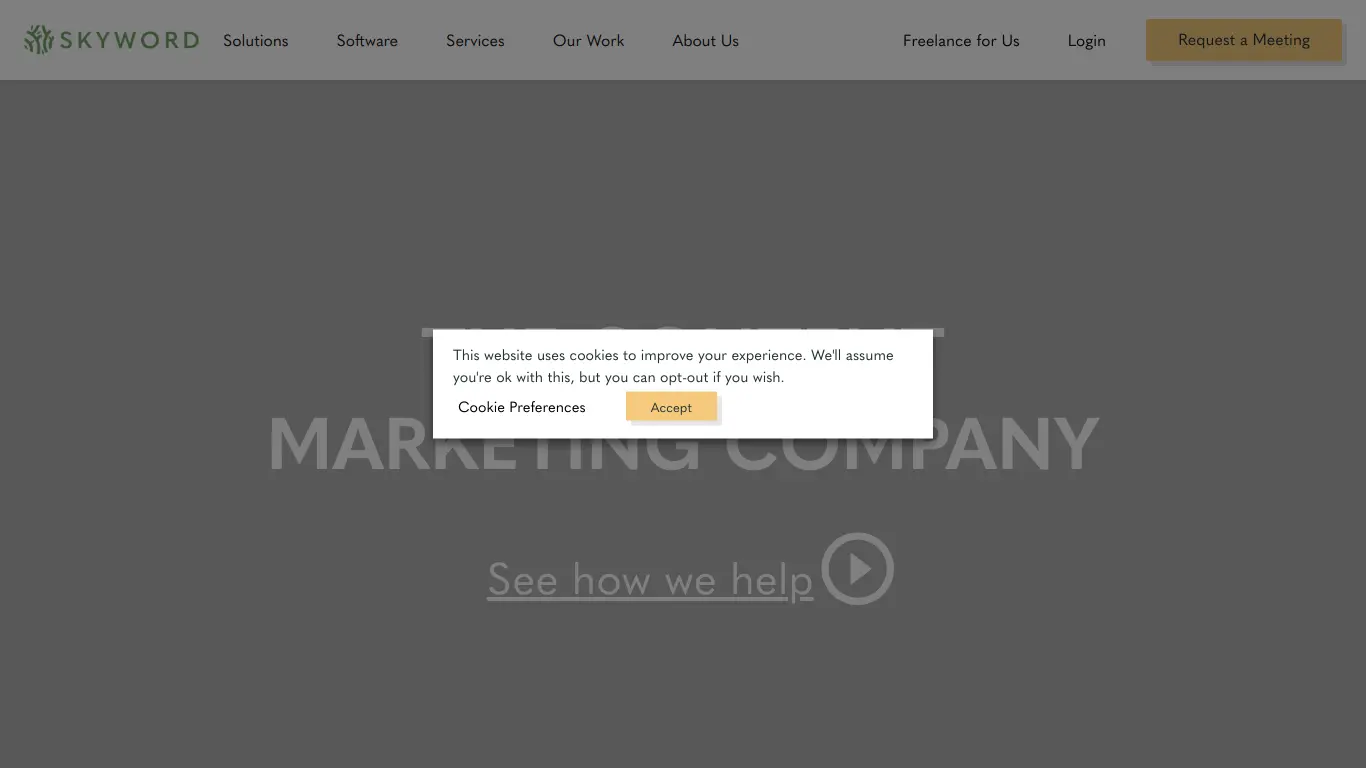
Introduction to Skyword
Are you struggling to consistently produce high-quality content that resonates with your audience? Or perhaps you’re finding it difficult to scale your content marketing efforts while maintaining quality? You’re not alone. Many marketing teams face these challenges daily, which is exactly where a platform like Skyword comes in.
What is Skyword and its Purpose?
Skyword is a comprehensive content marketing platform designed to transform the way brands create, distribute, and optimize content. Unlike basic content management systems, Skyword offers an end-to-end solution that combines technology with a creative marketplace of professional content creators to help brands tell authentic stories that connect with their target audiences.
Founded in 2010, Skyword has evolved from a simple content creation platform into a robust enterprise-level solution that powers content marketing strategies for some of the world’s most recognizable brands. The platform’s purpose is straightforward yet ambitious: to help brands create exceptional content at scale while delivering measurable business results.
At its core, Skyword empowers brands to:
- Streamline their content creation process
- Connect with professional freelancers specialized in various industries
- Manage content production workflows
- Distribute content across multiple channels
- Measure performance with comprehensive analytics
Who is Skyword Designed For?
Skyword is primarily designed for medium to large enterprises and established brands looking to scale their content marketing efforts. The platform is particularly valuable for:
🏢 Enterprise Marketing Teams: Teams that need to produce large volumes of content across multiple channels and regions.
🌐 Global Brands: Organizations operating in multiple markets that need to create localized content while maintaining brand consistency.
🏥 Industry-Specific Organizations: Companies in specialized fields like healthcare, finance, and technology that require subject matter expertise in their content.
💼 Marketing Agencies: Agencies managing content production for multiple clients who need a streamlined workflow and reporting system.
While small businesses can certainly benefit from Skyword’s capabilities, the platform’s enterprise focus and pricing structure make it most suitable for organizations with established content marketing budgets and strategies.
Getting Started with Skyword: How to Use It
Getting started with Skyword involves a structured onboarding process that typically follows these steps:
- Initial Consultation: The Skyword team works with your organization to understand your content marketing goals, audience, and requirements.
- Strategy Development: Based on your needs, Skyword helps develop a content strategy aligned with your business objectives.
- Platform Setup: Your Skyword instance is configured with customized workflows, approval processes, and brand guidelines.
- Talent Matching: Skyword connects you with content creators from their network who specialize in your industry and content types.
- Training: Your team receives training on using the platform effectively.
- Content Production: Once setup is complete, you can begin creating assignment briefs, reviewing submissions, and publishing content.
The platform’s interface is designed to be intuitive, with separate dashboards for marketers, editors, and creators. Each role has access to the tools and information relevant to their responsibilities within the content creation workflow.
Skyword’s Key Features and Benefits
Core Functionalities of Skyword
Skyword’s platform offers a comprehensive suite of tools designed to support the entire content marketing lifecycle:
Content Planning & Strategy
- Editorial calendar management
- Content mapping to buyer journey stages
- Topic and keyword research tools
- Campaign planning capabilities
Content Creation
- Access to a network of 5,000+ professional freelance writers, designers, and multimedia producers
- Customizable assignment briefs and guidelines
- Built-in SEO recommendations
- Collaborative editing tools
Workflow Management
- Customizable approval workflows
- Task management and deadline tracking
- Real-time collaboration tools
- Version control and content history
Content Distribution
- Multi-channel publishing capabilities
- Integration with major CMSs (WordPress, Adobe Experience Manager, etc.)
- Social media scheduling tools
- Email newsletter support
Performance Measurement
- Content performance analytics
- Audience engagement metrics
- Conversion tracking
- ROI measurement tools
Advantages of Using Skyword
🚀 Scale Content Production: Skyword enables brands to significantly increase their content output without sacrificing quality.
🌟 Access to Specialized Talent: Rather than hiring full-time specialists for various content types, brands can tap into Skyword’s network of pre-vetted professionals.
⏱️ Increased Efficiency: The streamlined workflow reduces the administrative burden of content production, allowing teams to focus on strategy.
📊 Data-Driven Decisions: Comprehensive analytics help brands understand what content resonates with their audience and adjust strategies accordingly.
🔄 Consistent Quality: Standardized processes and guidelines ensure consistent brand voice and quality across all content.
💰 Cost-Effective: For many organizations, using Skyword’s platform and freelancer network is more cost-effective than building an in-house team for all content needs.
📈 Improved SEO Performance: Built-in SEO tools and best practices help content rank better in search results.
Main Use Cases and Applications
Skyword’s versatility allows it to support various content marketing initiatives:
Brand Storytelling: Creating authentic narrative content that builds emotional connections with audiences.
Thought Leadership: Developing authoritative content that positions brands as industry leaders.
Lead Generation: Creating valuable content offers that attract and convert potential customers.
Customer Education: Developing educational content that helps customers get the most from products or services.
SEO Content Strategy: Building a comprehensive library of optimized content to improve organic search visibility.
Global Content Localization: Adapting content for different markets while maintaining consistent brand messaging.
One notable example is how Philips Healthcare used Skyword to transform their content strategy, resulting in a 127% increase in organic search traffic and a 30% reduction in cost-per-lead through targeted, expert-created content.
Exploring Skyword’s Platform and Interface
User Interface and User Experience
Skyword’s platform features a clean, intuitive interface designed to facilitate content production without unnecessary complexity. The dashboard-driven approach provides users with role-specific views:
For Marketing Managers:
- Overview of all active content projects
- Performance metrics at a glance
- Budget tracking and resource allocation tools
- Strategic planning capabilities
For Editors and Content Teams:
- Assignment management interface
- Content review and feedback tools
- Editorial calendar visualization
- Workflow status indicators
For Content Creators:
- Assignment briefs and guidelines
- Submission interfaces
- Communication tools
- Payment tracking
The platform employs a modern, responsive design that works well across devices, allowing users to manage content projects even when away from their desks. Navigation is straightforward, with logical grouping of related functions and a consistent layout throughout the platform.
Platform Accessibility
Skyword prioritizes accessibility in several ways:
Technology Compatibility:
- Cloud-based solution accessible from any modern web browser
- No special software installation required
- Mobile-responsive design for on-the-go management
- API capabilities for integration with other marketing tools
User Support:
- Comprehensive onboarding and training
- Dedicated customer success managers for enterprise clients
- Knowledge base and documentation
- Regular webinars and educational resources
Enterprise-Ready Features:
- Single sign-on (SSO) capabilities
- Role-based access controls
- Data security compliance
- Regular platform updates and improvements
Skyword Pricing and Plans
Subscription Options
Skyword operates on an enterprise pricing model, with costs tailored to each organization’s specific needs and usage requirements. While the company doesn’t publish standard pricing on their website, their subscription model typically includes:
Platform License Fee:
- Access to the core Skyword platform
- Varies based on number of users and features required
- Annual contracts are standard
Content Creation Services:
- Separate from the platform fee
- Based on volume and type of content needed
- Can include managed services for larger enterprises
Strategic Services (Optional):
- Content strategy development
- Editorial support
- Performance optimization
- Training and consultation
Based on industry reports and client testimonials, enterprise implementations typically start at $3,000-5,000 per month for the platform, with additional costs for content creation services. For large enterprises with significant content needs, investments can reach six figures annually.
Free vs. Paid Features
Skyword does not offer a free version of their platform, focusing instead on providing comprehensive solutions to enterprise clients. However, they do offer:
Free Resources:
- Content marketing guides and whitepapers
- Blog with industry insights
- Case studies and success stories
- Webinars and educational content
Paid Platform Features include:
- Full content production workflow
- Access to the creator network
- Analytics and reporting
- Multi-channel distribution
- Enterprise integrations
- Dedicated support
Prospective clients can request a demonstration of the platform to better understand its capabilities before committing to a subscription.
Skyword Reviews and User Feedback
Pros and Cons of Skyword
Based on analysis of customer reviews across multiple platforms, here’s a balanced view of Skyword’s strengths and limitations:
Pros:
✅ Quality of Content: Users consistently praise the high standard of content produced through the platform’s creator network.
✅ Workflow Efficiency: Many users report significant time savings through streamlined content production processes.
✅ Enterprise Scalability: The platform handles high-volume content needs effectively.
✅ Strategic Guidance: Enterprise clients value the strategic input from Skyword’s customer success team.
✅ Talent Network: Access to specialized writers with industry expertise is frequently cited as a major benefit.
Cons:
❌ Price Point: Smaller organizations may find the enterprise-focused pricing structure prohibitive.
❌ Learning Curve: Some users report that mastering all platform features takes time.
❌ Limited DIY Options: The platform is designed for managed content programs rather than self-service.
❌ Integration Complexity: While integrations exist, some users note they can be complex to implement.
❌ Customization Time: Tailoring the platform to specific needs can take longer than expected.
User Testimonials and Opinions
“Skyword has transformed our content operation from a bottleneck to a strategic advantage. We’ve increased our content output by 300% while maintaining consistent quality.” – Marketing Director, Fortune 500 Technology Company
“The ability to access subject matter experts through Skyword’s creator network has been invaluable for our technical content needs. We couldn’t have achieved the same depth of expertise with our in-house team alone.” – Content Manager, Healthcare Organization
“While the platform required some adjustment to our workflows, the efficiency gains have been worth it. We’re spending less time on administration and more on strategy.” – Digital Marketing Lead, Financial Services Firm
According to G2 and other review platforms, Skyword maintains an average rating of approximately 4.3/5 stars, with particular strengths in content quality, platform reliability, and customer support.
Skyword Company and Background Information
About the Company Behind Skyword
Skyword was founded in 2010 by Tom Gerace with a vision to transform how brands connect with their audiences through authentic, high-quality content. The company is headquartered in Boston, Massachusetts, with additional offices in other major cities.
Key Company Milestones:
- 2010: Founded in Boston
- 2013: Secured $6.7 million in growth financing
- 2015: Launched Skyword for Video to expand multimedia capabilities
- 2018: Merged with TrackMaven to enhance analytics capabilities
- 2019: Acquired by Pactera EDGE to expand global reach
- 2021: Continued platform evolution with enhanced AI features
Leadership Team:
Skyword’s executive team brings together experience from content marketing, technology, and enterprise software backgrounds, providing a well-rounded approach to content marketing challenges.
Company Culture:
Skyword emphasizes innovation, quality, and measurable results. Their approach combines technology with human creativity—recognizing that while automation has its place, compelling content still requires human expertise and storytelling ability.
Notable Achievements:
- Recognized in Gartner’s Magic Quadrant for Content Marketing Platforms
- Multiple industry awards for both platform innovation and client content campaigns
- Featured case studies in content marketing publications and textbooks
Skyword Alternatives and Competitors
Top Skyword Alternatives in the Market
If you’re evaluating content marketing platforms, consider these alternatives alongside Skyword:
- Contently (https://contently.com/)
- Similar enterprise focus
- Strong emphasis on storytelling
- Robust talent network with journalism backgrounds
- NewsCred/Welcome (https://www.welcome.software/)
- Comprehensive marketing work management platform
- Strong planning and calendar features
- Recently evolved beyond pure content marketing
- Percolate/Seismic (https://seismic.com/)
- Content management with sales enablement focus
- Strong in regulated industries
- Emphasis on content governance
- DivvyHQ (https://divvyhq.com/)
- Content planning and workflow focused
- More accessible price point for mid-market companies
- Strong editorial calendar capabilities
- CoSchedule (https://coschedule.com/)
- Marketing calendar-focused platform
- More affordable for smaller teams
- Strong integration with WordPress
Skyword vs. Competitors: A Comparative Analysis
| Feature | Skyword | Contently | NewsCred/Welcome | Percolate/Seismic | DivvyHQ |
|---|---|---|---|---|---|
| Primary Focus | End-to-end content marketing | Brand storytelling | Marketing work management | Sales enablement & content | Content planning & workflow |
| Best For | Enterprise content at scale | Premium editorial content | Marketing department coordination | Sales-marketing alignment | Editorial planning |
| Creator Network | 5,000+ industry specialists | Journalism-focused freelancers | More limited network | Limited talent network | No built-in network |
| Analytics Depth | Comprehensive | Very strong | Strong | Strong | Basic |
| Pricing Tier | Enterprise/Premium | Enterprise/Premium | Enterprise/Premium | Enterprise | Mid-market |
| Ease of Use | Moderate learning curve | Moderate learning curve | Complex | Complex | User-friendly |
| Integration Capabilities | Extensive | Good | Excellent | Excellent | Good |
Skyword’s key differentiator remains its combination of technology and services. While competitors like Contently offer similar models, Skyword typically excels for brands needing industry-specific expertise at scale with strategic guidance.
Companies with simpler needs or smaller budgets might find platforms like DivvyHQ or CoSchedule more appropriate, while organizations focused on sales enablement might prefer Percolate/Seismic’s specialized capabilities.
Skyword Website Traffic and Analytics
Website Visit Over Time
According to analysis of public traffic data from sources like SimilarWeb, Skyword.com has maintained a consistent traffic pattern over the past year:
- Monthly average visitors: Approximately 30,000-50,000
- Traffic trend: Gradual upward trajectory (+12% YoY)
- Seasonal patterns: Higher traffic during Q1 and Q4, corresponding with marketing planning cycles
- Page views per visit: 3.2 (higher than industry average)
- Average visit duration: 2:45 minutes
Geographical Distribution of Users
Skyword’s visitor traffic reflects its primary market focus:
🇺🇸 United States: 65%
🇬🇧 United Kingdom: 8%
🇨🇦 Canada: 7%
🇦🇺 Australia: 4%
🇮🇳 India: 3%
🇩🇪 Germany: 2%
🌎 Other: 11%
This distribution aligns with Skyword’s enterprise client base, which is predominantly North American with a growing international presence.
Main Traffic Sources
Analysis of Skyword’s traffic sources reveals:
📱 Direct Traffic: 42% – Indicating strong brand recognition
🔍 Organic Search: 35% – Content marketing and SEO efforts
📧 Email: 10% – Newsletter and client communications
📣 Referral: 8% – Industry publications and partnerships
📊 Social Media: 5% – Primarily LinkedIn and Twitter
The high percentage of direct traffic suggests Skyword has established strong brand awareness in the content marketing platform space.
Frequently Asked Questions about Skyword (FAQs)
General Questions about Skyword
What types of companies use Skyword?
Skyword primarily serves enterprise and mid-market companies across industries including technology, healthcare, financial services, manufacturing, and retail. Their client roster includes Fortune 500 companies as well as leading brands in specialized industries.
How is Skyword different from a content management system (CMS)?
While a CMS focuses on publishing and storing content, Skyword offers end-to-end content marketing capabilities including planning, creation, workflow management, distribution, and analytics. It also provides access to professional content creators and strategic guidance.
Can Skyword integrate with my existing marketing technology stack?
Yes, Skyword offers integrations with major CMSs (WordPress, Drupal, Adobe Experience Manager), marketing automation platforms (Marketo, HubSpot, Eloqua), CRMs, analytics tools, and other marketing technologies. Custom integrations are also available.
Feature Specific Questions
How does Skyword find content creators with expertise in my industry?
Skyword maintains a network of over 5,000 pre-vetted content creators with expertise across various industries and content types. For enterprise clients, Skyword typically conducts a custom recruitment process to identify creators with specific subject matter expertise.
Can Skyword help with multimedia content like videos and infographics?
Yes, Skyword supports various content types beyond written articles, including video production, infographics, interactive content, and social media assets. Their creator network includes specialists in these formats.
Does Skyword offer content translation services?
Yes, Skyword supports global content programs with translation services and access to native-language creators for authentic localization rather than direct translation.
Pricing and Subscription FAQs
What is the minimum investment required for Skyword?
While Skyword doesn’t publish standard pricing, industry reports and client testimonials suggest that engagements typically start at $3,000-5,000 monthly for the platform, with additional costs for content creation services.
Does Skyword require long-term contracts?
Skyword typically operates on annual contracts for enterprise clients, though specific terms can vary based on program requirements and scope.
Can I start with just the platform and add creator services later?
Yes, while many clients use both the platform and creator services, it’s possible to start with just the technology platform if you have existing content creation resources.
Support and Help FAQs
What kind of support does Skyword provide?
Enterprise clients receive dedicated customer success managers, technical support, and optional strategic services. Support includes platform training, best practices guidance, and regular program reviews.
How long does implementation typically take?
Initial platform implementation usually takes 2-4 weeks, depending on complexity and integration requirements. Full program launch, including strategy development and creator onboarding, typically takes 6-8 weeks.
Does Skyword offer training for our team?
Yes, Skyword provides comprehensive training for all user roles including administrators, editors, and content creators. They also offer ongoing education through webinars and resource materials.
Conclusion: Is Skyword Worth It?
Summary of Skyword’s Strengths and Weaknesses
Key Strengths:
- Comprehensive end-to-end content marketing solution
- Access to quality, vetted content creators with specialized expertise
- Robust workflow management that scales with enterprise needs
- Strong analytics for measuring content performance
- Strategic guidance beyond just technology
Main Weaknesses:
- Higher price point makes it less accessible for smaller organizations
- Implementation requires significant commitment and process change
- Platform complexity can present a learning curve for new users
- Services-heavy approach may not suit DIY-oriented marketing teams
Final Recommendation and Verdict
Skyword delivers exceptional value for medium to large enterprises serious about content marketing at scale. The platform shines brightest for organizations that:
- Need to produce consistent, high-quality content across multiple channels
- Require specialized expertise in their content creation
- Want to scale content operations efficiently
- Value strategic guidance alongside technology
- Have the budget to invest in a premium solution
For these organizations, Skyword can transform content marketing from a tactical challenge into a strategic advantage, often delivering substantial ROI through increased organic traffic, improved lead generation, and enhanced brand authority.
However, smaller organizations or those with modest content needs might find Skyword’s enterprise approach and pricing model excessive. These companies might be better served by more affordable alternatives like DivvyHQ, CoSchedule, or even assembled solutions combining simpler tools.
The decision ultimately comes down to your specific content needs, available resources, and strategic priorities. If high-volume, high-quality content is central to your marketing strategy and you have the budget to support it, Skyword represents one of the most comprehensive solutions available in the market today.
For enterprise marketers serious about content, Skyword isn’t just another tool—it’s a strategic partner that can elevate your entire content marketing operation.